I've spent most of my life in gyms.
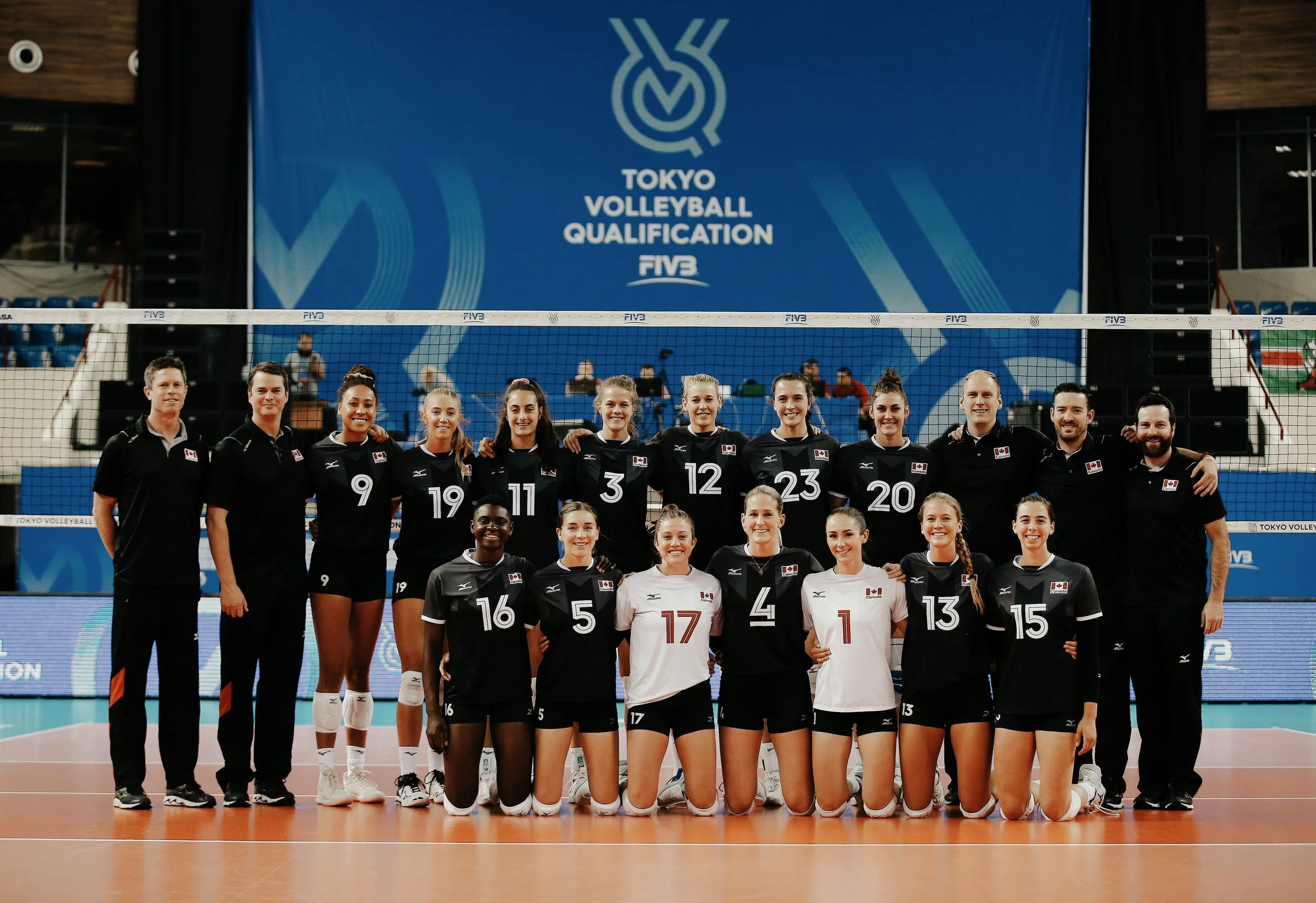
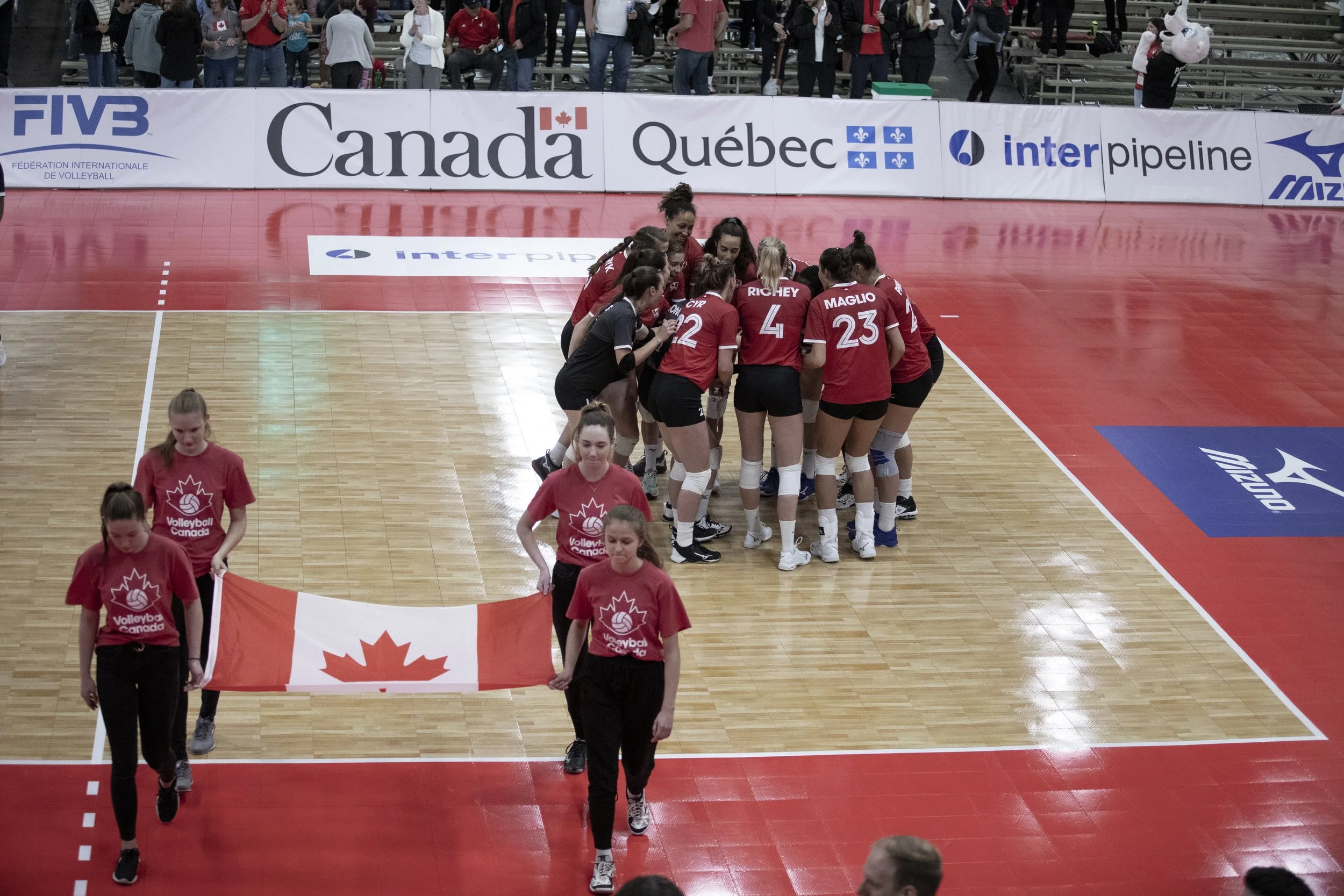
As an athlete, I played for Team Canada for 12 years and professionally around the world for nearly a decade. Volleyball has taken me all over the world and introduced me to some incredible people, coaches, and experiences. Now, years later, I find myself in a very different role. I'm coaching, mentoring, and perhaps most importantly, parenting, which has given me a completely new perspective on youth sport and all of the emotions that come with it.
One of the things I love most about youth sport is that there isn't one path to success. Every athlete's journey looks different, and after spending more than twenty years in high-performance environments, I can confidently say that development is rarely linear. Some athletes seem destined for greatness at fourteen and struggle when everyone else catches up physically. Others quietly work away in the background before suddenly taking off in their late teens. Some athletes make every top team, earn every accolade, and follow a relatively straightforward path, while others face setbacks, get cut from teams, sit on benches, battle injuries, or simply develop later than their peers before eventually finding tremendous success. I’ve still it all.
Because of that, I've started to notice some common patterns in the club volleyball world. Not because parents don't care — in fact, quite the opposite. Most of what I'm about to talk about comes from a place of love. Parents want the best for their kids. They want to protect them from disappointment, help them reach their goals, and create opportunities that perhaps weren't available to them when they were growing up. Those instincts are completely understandable. However, I also think that sometimes our desire to help can unintentionally get in the way of the very lessons that sport is uniquely positioned to teach.
One of the biggest examples of this is the amount of weight we place on team selections. Over the years, I've seen parents devastated by a selection decision, athletes convinced their volleyball careers are over because they didn't make a particular roster, and families spending weeks replaying every moment of a tryout while trying to figure out what went wrong. While I completely understand the emotional investment that goes into those moments, I think we sometimes forget how long the athletic journey really is. One team selection rarely determines where an athlete ultimately ends up.
Some of the best athletes I've ever played with weren't stars at every age level. In fact, some were barely noticed when they were younger. Others didn't make the teams they desperately wanted to make, and a few probably would have been told by outside observers that they weren't on the path to playing at the highest levels. Take my husband for example. He was deemed “the worst recruit to ever walk into the Trinity Western gym” to later become a pillar in their USport successes as well as competing at the 2016 Olympics in Rio with Team Canada. The reality is that young athletes grow physically, mentally, emotionally, and technically at MUCH different rates. Some athletes are dominant at fourteen because they've matured earlier than everyone else. Others need a few more years for their confidence, physical development, or understanding of the game to catch up. When we zoom out and look at the bigger picture, one team selection becomes exactly what it should be: one moment in a much longer journey.
That's also why I also believe that the best team is not necessarily the best place for every athlete.
This tends to be one of my hotter takes in the volleyball world because so much emphasis is placed on rankings, prestige, and the perception that higher is always better. Sometimes the highest-ranked team absolutely is the right fit for an athlete. But sometimes it isn't. I've seen athletes spend years chasing a logo, a ranking, or the status that comes with being on a particular roster while overlooking the actual environment they're stepping into. At the same time, I've watched athletes on lower-ranked teams receive more meaningful reps, more opportunities to lead, more confidence from their coaches, and ultimately more development because they were in an environment that challenged them appropriately and allowed them to grow.
When I look back at the athletes who ultimately reached their potential, very few did so because of a ranking beside their team's name. More often, they found coaches who believed in them, environments that stretched them without overwhelming them, and opportunities to consistently improve over time. Development is rarely about finding the perfect team. More often, it's about finding the right environment for where an athlete is today while continuing to build toward where they want to be tomorrow.
Another area where I think families are carrying an enormous amount of pressure is recruiting. Conversations about scholarships, exposure, commitments, and college opportunities seem to start earlier every year, and social media has only amplified that pressure. Sometimes it genuinely feels like athletes are signing full-ride scholarships to a school in Timbuktu before they've even learned how to walk.
Okay, that's obviously an exaggeration.
But if you've spent any amount of time on social media in the volleyball world, you know exactly what I mean.
We see commitment announcements from Grade 8 and Grade 9 athletes, and before long it starts to feel as though there is some invisible timeline everyone needs to follow. Parents begin wondering if they're doing enough. Athletes begin worrying that they're falling behind. Families start feeling as though every tournament, every showcase, and every recruiting email carries enormous weight.
The reality is much more nuanced than that.
What many families don't realize is that coaches aren't simply evaluating where an athlete is today. They're evaluating where that athlete could be two, three, or even four years from now. They're looking at potential, athleticism, coachability, work ethic, character, and whether an athlete fits within the culture and future needs of their program. Recruiting is not simply about identifying the most polished athlete in the gym. It's about projecting who an athlete may become.
Because of that, recruiting isn't a race to see who can commit first. It's about finding the right fit at the right time, and that timeline is different for every athlete. For some, opportunities arrive early. For others, they arrive much later. Neither path is inherently better than the other. Understanding that can help take some of the pressure off both athletes and parents and allow everyone to refocus on the things that actually matter — developing skills, building strength, learning resilience, becoming a great teammate, and continuing to improve year after year. In my experience, the athletes who stay committed to their development are often the athletes who create the most opportunities for themselves in the long run.
Another trend I've noticed over the years is how quickly adults sometimes step in to solve problems that athletes are capable of navigating themselves. As parents, this is incredibly difficult because every instinct tells us to protect our children from disappointment, frustration, conflict, and failure. However, one of the greatest gifts sport offers young people is the opportunity to learn how to handle those situations for themselves.
Some of the most valuable lessons I learned through volleyball had absolutely nothing to do with volleyball. They came from learning how to have difficult conversations, how to advocate for myself, how to ask questions when I didn't understand a coach's decision, how to handle situations that felt unfair, and how to persevere through disappointment. Those skills became incredibly valuable throughout my athletic career, but they became even more valuable once volleyball was over.
Supporting athletes is essential. Being their safe place, listening to them, encouraging them, and helping them process difficult experiences is incredibly important. But there is also tremendous value in allowing athletes to take ownership of their own journey and develop the confidence that comes from solving problems themselves.
I also think we need to be careful about the stories we tell athletes when things don't go their way. Coaches are human. They make mistakes. I've made mistakes as a captain and a coach, and I can confidently say every coach I've ever known has made mistakes as well. But when athletes consistently hear that a coach is the reason they aren't playing, that teammates are the reason they aren't succeeding, or that every setback is someone else's fault, we unintentionally take away one of the most important lessons sport can teach: accountability.
One of the most powerful questions an athlete can learn to ask is, "What can I control?" It's a question that served me throughout my career and continues to serve me today. While we can't control coaching decisions, team dynamics, injuries, or countless other circumstances, we can always control our attitude, our preparation, our effort, and our response to adversity. Those are the habits and mindsets that ultimately serve athletes long after their playing careers have ended.
And perhaps that's what I hope parents remember most.
The truth is that very few athletes will play professionally and even fewer will represent their country, but that doesn't make their youth sport experience any less valuable. In fact, I would argue that some of the most important things sport teaches have nothing to do with the level an athlete eventually reaches. When I look back on my own career, some of the things I cherish most aren't the medals, championships, or accomplishments. They're the friendships, the coaches who believed in me, the teammates who challenged me, the difficult moments that forced me to grow, and the confidence that came from learning I could overcome obstacles that once felt impossible.
Those are the things that stay with us. (and PSA: I remember less than 10 games I played over my entire career:))
At the end of the day, youth sport isn't simply about developing great athletes. It's about helping young people become resilient, capable, confident adults who know how to work hard, navigate challenges, support others, and believe in themselves. If we're lucky, they may become great volleyball players along the way. But perhaps the greater gift is who they become because of the experience.
As parents, our job isn't to remove every obstacle from the path. It's to walk alongside our athletes as they learn how to navigate the path themselves. That may not always be the easiest approach, but in the long run, I believe it's the one that serves them best.